
고신뢰성 기밀 패키징을 위한 글래스 프릿 실링
유리·세라믹·반도체 기판용 저온·기밀 패키징을 위한 글래스 프릿
YEKGLASS는 첨단 전자 영역에서의 기밀 실링이 가능한 무연(Pb-free) 글래스 프릿 소재를 개발·공급하고 있습니다.
700°C 이하의 소성 온도에서 고신뢰성 접합을 구현하며, 스크린프린팅 · 디스펜싱 · 레이저 실링 · 프리폼(Preform) 등 다양한 공정에 대응 가능합니다.
웨이퍼 레벨 본딩부터 MEMS 센서 및 광학 윈도우 패키징까지, 다양한 영역에서 적용 가능한 글래스 프릿을 자세히 알아보세요.
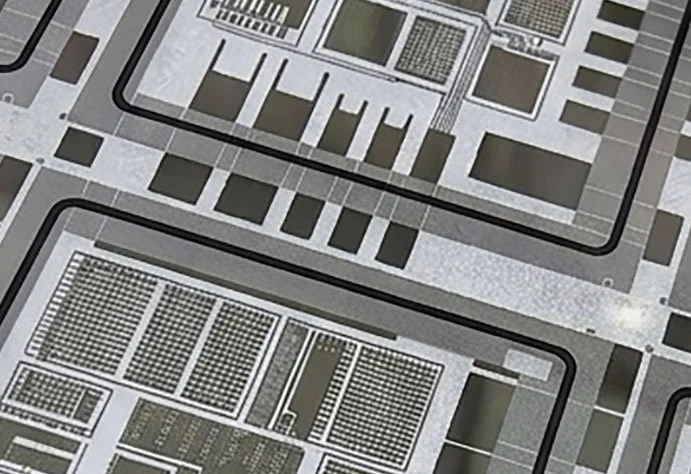
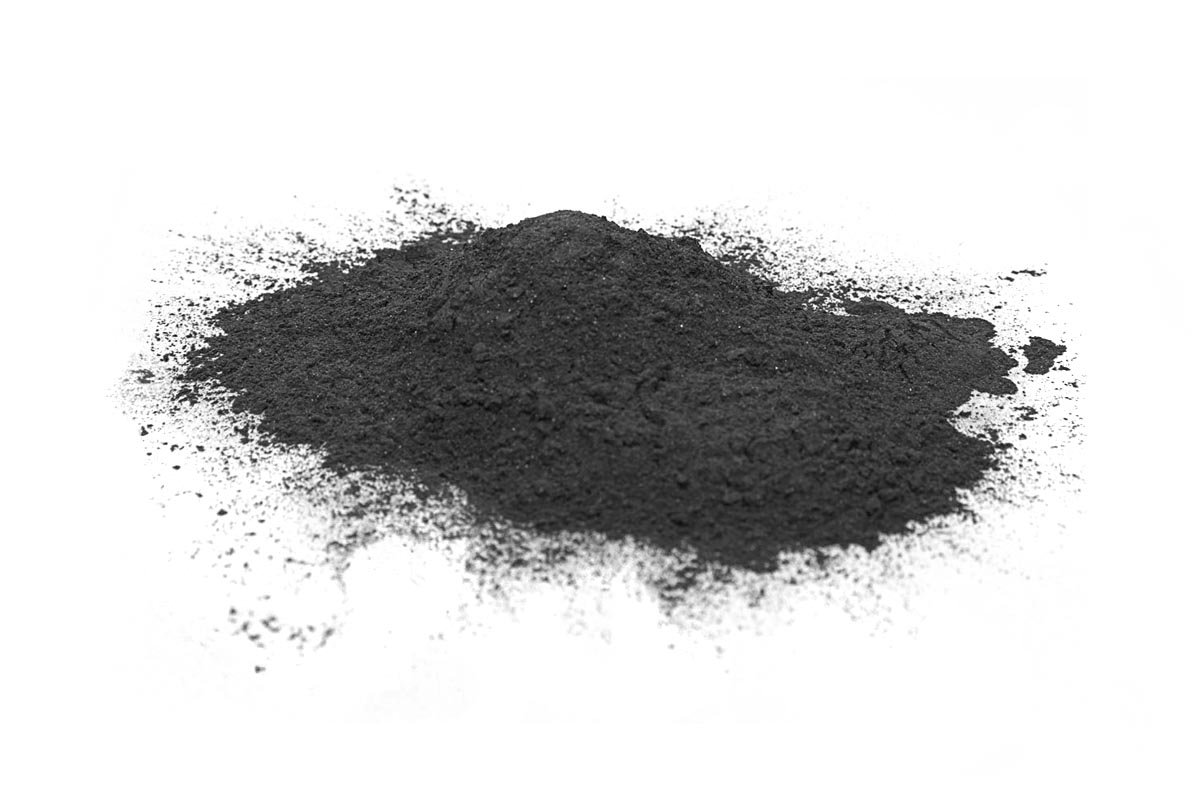
글래스 프릿(Glass Frit)이란 ?
글래스 프릿은 전자, 반도체, 고정밀기기 공정에서 보다 완벽한 기밀 실링과 접합을 구현하기 위해 사용되는 미세 유리 분말 소재를 말합니다.
300°C에서 700°C 사이의 소성온도에서 용융되어 기판과 기판사이의 화학적 안정성과 기밀 성능을 형성하며, 도포 방식과 생산 환경에 따라 파우더, 페이스트, 프리폼 등의 형태로 적용할 수 있습니다.
[주요 적용 분야]
기밀실링, 웨이퍼 레벨 본딩, MEMS 패키징, 세라믹-유리 접합, 광학 윈도우 실링, 반도체 패키징
글래스 프릿의 적용 분야
글래스 프릿 실링은 수분에 민감한 소자 및 센서 보호, 이종 기판 간의 접합 등 장기적 기밀성이 요구되는 영역에 광범위하게 적용됩니다.
YEKGLASS는 아래와 같은 핵심 응용 분야에 최적화된 글래스 프릿 솔루션을 공급합니다.
Wafer-Level Hermetic Bonding
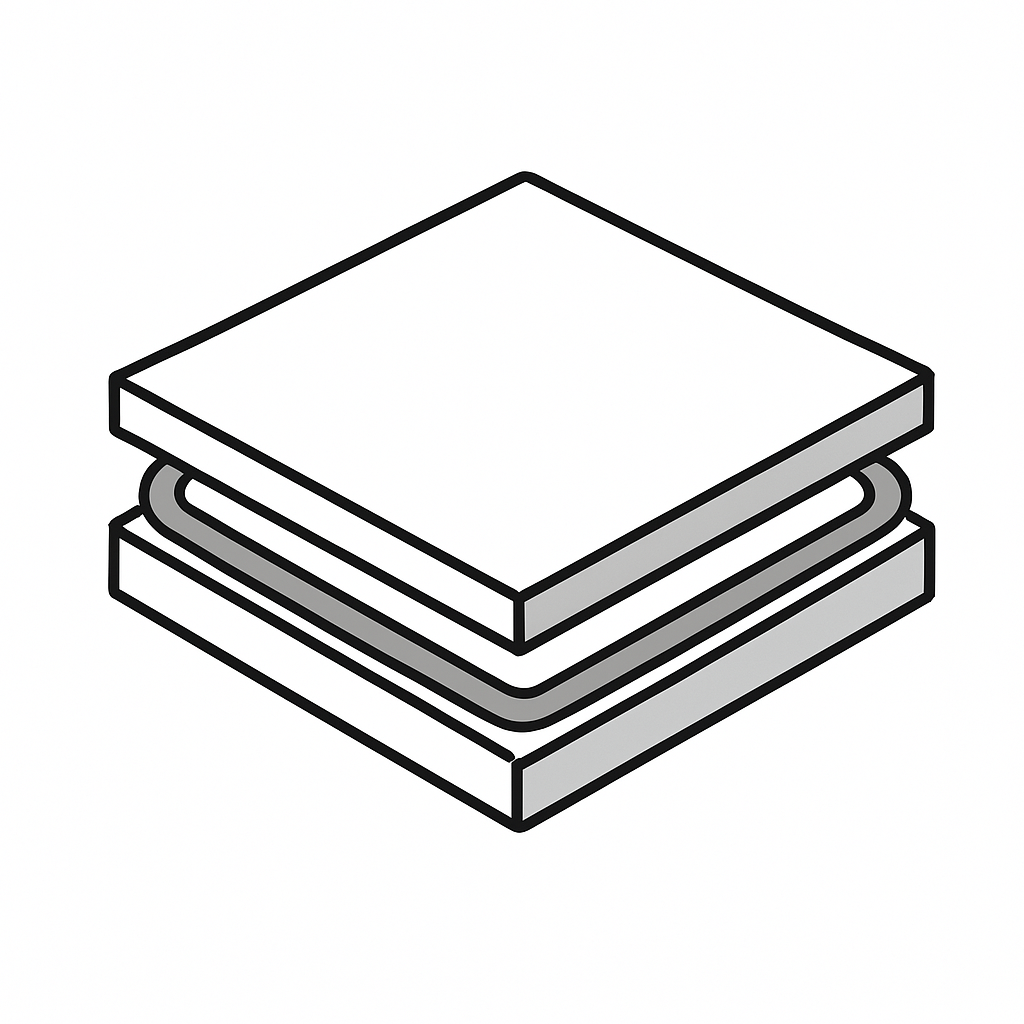
반도체 및 MEMS 패키징을 위한 웨이퍼 레벨 프릿 실링 솔루션입니다. 캐비티 실링, 진공 인캡슐레이션, CTE
매칭을 통한 유리-실리콘 접합 공정 등에 적용합니다.
MEMS & Sensor Sealing
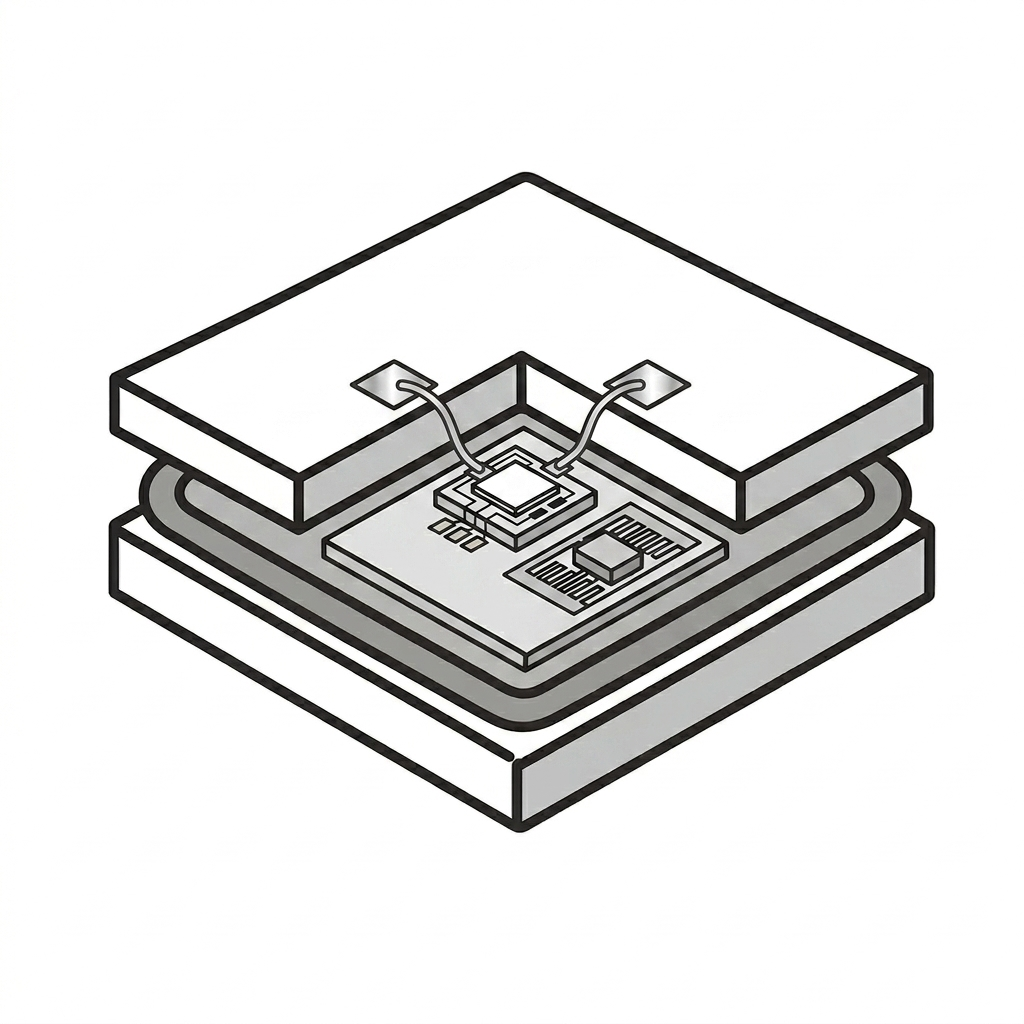
저온 글래스 프릿 기술을 바탕으로 압력 센서, 자이로스코프, 가스 센서 등을 정밀 밀봉합니다. 수분, 진동, 부식 등의 외부 환경으로부터 소자를 견고하게 보호합니다.
Ceramic & Specialty Glass Sealing
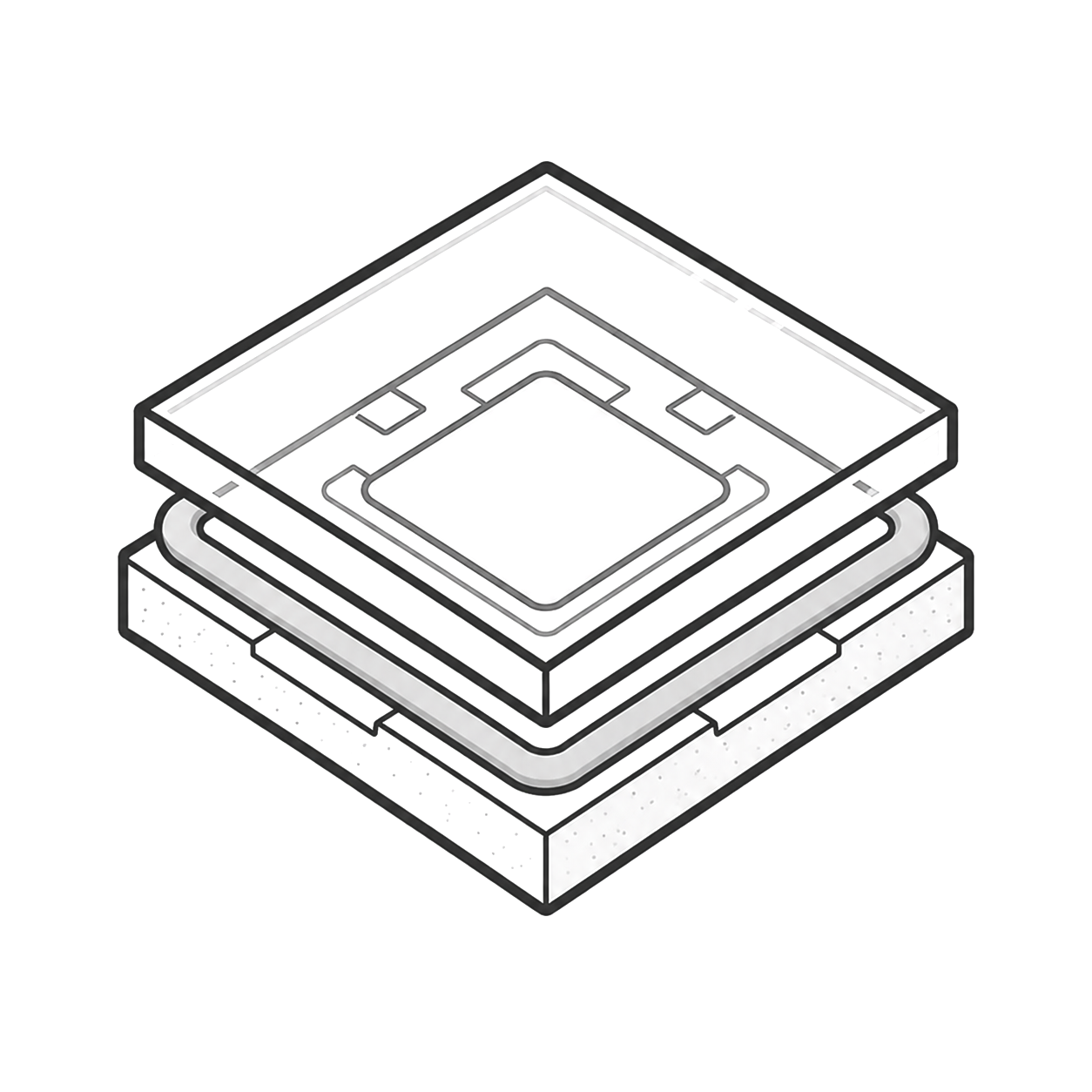
AIN, 지르코니아, 알루미나, 붕규산, 소다라임, 무알칼리 유리, 석영 등 다양한 기판에 최적화된 프릿 조성을 제공합니다. 세라믹과 유리 소재 전반의 안정적인 CTE 매칭을 보장합니다.
Process Equipment Window Sealing
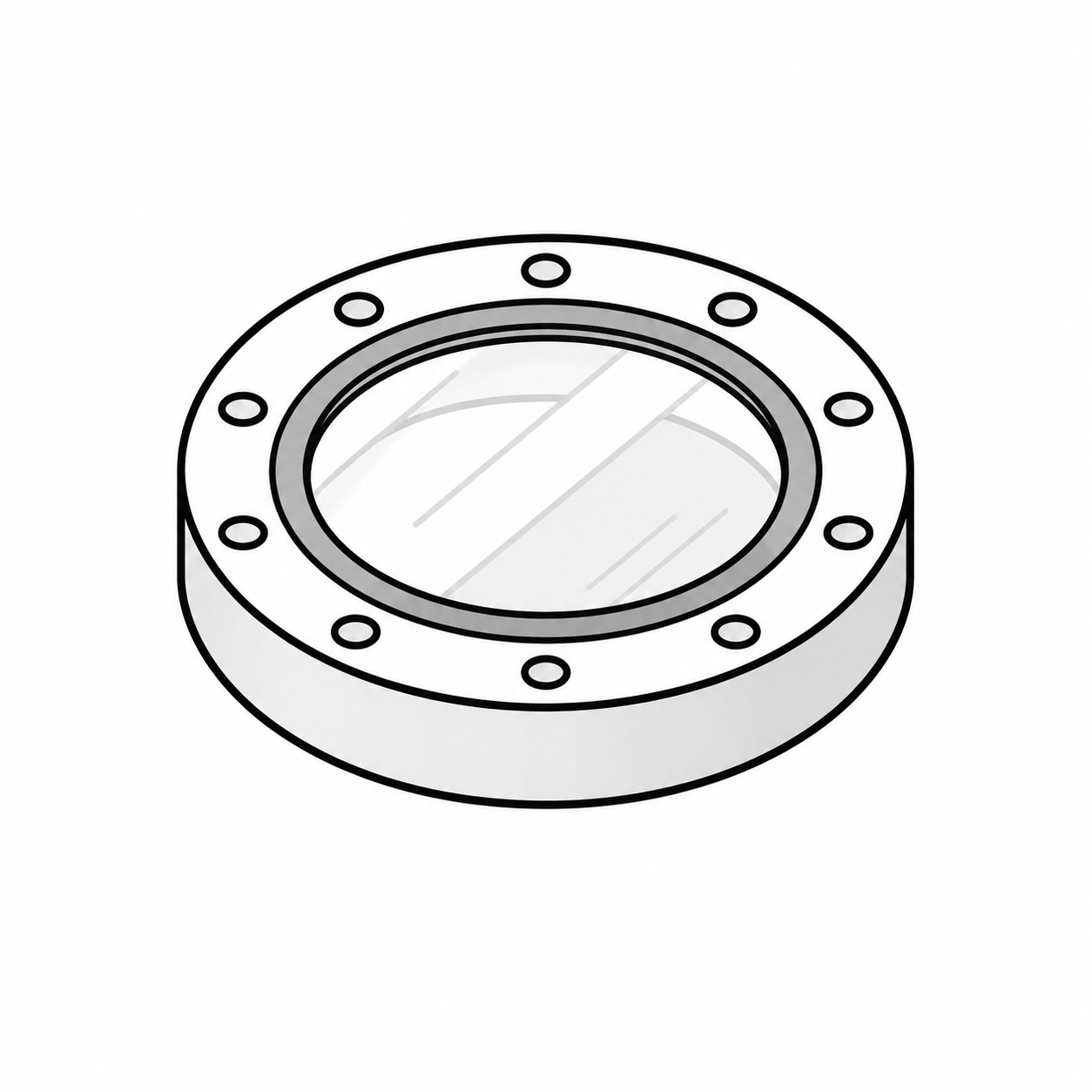
반도체 공정 장비, 진공 챔버, 분석기기에 등에
적용되는 광학윈도우, 뷰포트(Viewport), 피드스루(Feedthrough)의 고신뢰성 기밀 실링을 구현합니다.
글래스 프릿의 실링 특성
글래스 프릿은 탁월한 기밀 신뢰성과 높은 소재 유연성을 바탕으로 글래스, 세라믹, 반도체 기판 간의 안정적인 실링 및 접합을 지원합니다.
YEKGLASSS는 민감한 전자 부품에 최적화된 소성온도에서 안정적 무연 실링이 가능한 프릿 조성을 직접 설계하여 공급하고 있습니다.
우수한 기밀 신뢰성

소성과정을 거친 글래스 프릿 실링은 공기와 수분을 완벽히 차단
하는 장벽을 형성하여, 외부 환경 노출에 취약한 MEMS, 센서,
정밀 패키징 부품을 장기간 안정적으로 보호합니다.
무연, 저온 소성

RoHs 및 Reach 기준을 충족하는 친환경 조성으로, 300°C
에서 700°C 수준의 저온 실링이 가능합니다. 열에 취약한 정밀
소자구조물의 열적 손상을 방지하며, 기존의 유해한 납(Pb)
기반 실링 유리를 완벽하게 대체합니다.
폭넓은 기판 호환성

첨단 세라믹(AlN, ZrO₂, Al₂O₃), 특수유리 (붕규산, 소다라임,
무알칼리, 석영), 그리고 실리콘 기판까지 폭넓은 접합이 가능하도록 설계되었습니다. 단순히 열팽창계수(CTE) 매칭에만 의존하지 않고, 기판의 화학적 특성, 소성 프로파일, 최종 실링 형상까지 종합적으로 고려하여 최적의 배합을 선정합니다.
맞춤형 조성 및 공정 최적화 지원

시제품 평가부터 대량 양산 단계까지, 고객사의 소성 프로파일 및 스크린 프린팅·디스펜싱 공정에 완벽히 부합하도록 Tg, CTE, par입도 분포 (D50/D90), 점도, 고형분 함량을 맞춤형으로 미세
조정하여 제공합니다.

성공적이고 신뢰할 수 있는 실링 품질은, 기판과 공정에 최적화된 프릿 조성을 설계하는 초기 단계에서 결정됩니다.
YEKGLASS 는 고객의 기판 특성과 생산 환경에 최적화된 소재, 형태, 적용 방식을 고려한 프릿 설계 솔루션을 지원합니다.
접합·실링의 신뢰성 확보를 위한 가장 확실한 방법
실링 공정 및 도포 방식
공정 환경을 고려한 커스터마이징 솔루션
글래스 프릿 실링의 신뢰성은 단순히 조성만으로 결정되지 않습니다.
소성 방식, 도포 기술, 실링패턴의 형상, 기판 종류까지 모든 요소가 최종 기밀 성능에 직접적인 영향을 미칩니다.
YEKGLASS는 각 프로젝트의 상이한 작업 환경과 생산 프로세스에 완벽히 부합하는 다양한 소성 및 도포 솔루션을 지원합니다.
소성 방식
열 소성 실링

로(Furnace) 혹은 핫프레스 장비를 활용하여 300°C and 700°C 온도 대역에서 수행하는 방식입니다. 웨이퍼 레벨 본딩, 캐비티 실링, 세라믹-유리 패키징 공정에서 가장 널리 사용되고 있습니다. 결정화 및 비결정화 프릿 조성 모두에 적용이 가능합니다. 균일한 가열이 가능한 AlN, ZrO₂, Al₂O₃, 붕규산, 무알칼리 유리, 석영 기판에 특화되어 있습니다.
레이저 실링
808 nm 대역을 포함한 IR 레이저 광원을 조사하여 필요한 국소 영역만을 빠르게 실링하는 방식입니다. 소자 전체에 고온 열부하를 가하지 않고 신속하게 접합할 수 있어, 열에 민감한 부품이나 밀폐형 캐비티 구조 실링에 적합한 방식입니다. 본 공정에는 조사되는 레이저 파장을 정밀하게 흡수하도록 특별히 설계된 전용 글래스 프릿 조성물이 적용됩니다.
도포 및 적용 방식
스크린 프린팅

대량 양산에서 가장 표준적으로 적용되는 도포 방식입니다. production. 300–325 메쉬 스크린과 15–20 µm 에멀전 두께에 대응하여, 평탄 기판 및 웨이퍼 레밸 패터닝 시 정밀하고 균일한 실(seal) 라인을 형성합니다. 고객사의 인쇄 라인에 맞춰 페이스트 점도(90~100 kcps @ 10 rpm) 및 고형분 함량(70–80 wt%)최적화 솔루션을 제공합니다.
디스펜싱

미세 노즐을 통해 저점도 페이스트를 직접 도포하는 방식으로, 비정형 구조, 프로토타입 평가, 3차원 기판 및 사전 조립된 부품의 부분 실링에 사용됩니다. 점, 선, 윤곽선 등의 실링 패턴 구현에 적용할 수 있습니다.
프리폼 배치

정밀한 치수로 사전 소결된 글래스 프리폼을 소성 전 기판 사이에 직접 배치하는 방식입니다. 균일한 실링 부피와 정밀한 갭 제어,
뛰어난 조립 재현성을 확보할 수 있어 광학 윈도우 실링, 기밀 피드스루, 고정밀 자동화 조립 공정에 적합합니다.

까다로운 조건에도 대응 가능한 커스터마이징 프릿 솔루션
저온 웨이퍼 본딩부터 세라믹 기판 실링까지, YEKGLASS는 기밀 패키징 전반의 소재 및 공정 전문성을 바탕으로 최상의 솔루션을 제공합니다.
기판 특성과 소성 조건 등 고객사의 목표와 제조 환경에 최적화된 맞춤형 소재와 형태를 제안해드립니다.